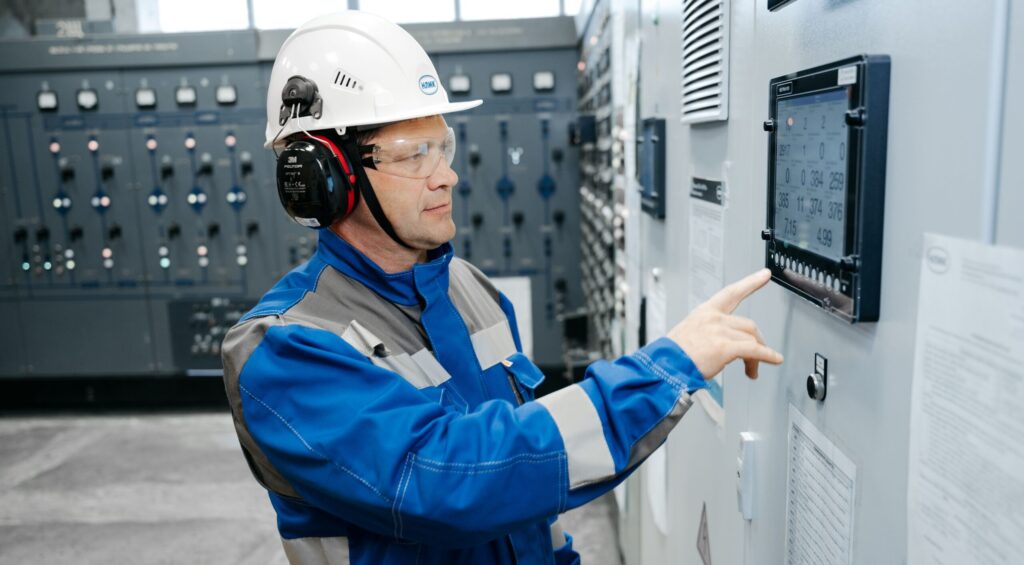


Energy efficiency is a major challenge for companies subject to energy consumption reduction obligations. Beyond regulatory requirements, energy efficiency also presents opportunities: reduced energy bills, a smaller carbon footprint, and an improved brand image. Discover in this Powesco article the essential solutions to guarantee your company's energy efficiency.
What is energy efficiency?
Energy efficiency refers to the ratio between theenergy produced by a system and theenergy consumed to operate it. In business, this translates into the implementation of techniques, resources, or tools that reduce energy consumption while maintaining an equivalent level of performance. These solutions can be passive (energy-efficient building renovation) or active (energy management). Finally, their effects are measured in absolute (kWh/m²/year) or relative terms (%).
What is the difference between performance and energy efficiency?
Energy sobriety involves reducing energy consumption through virtuous behaviors : turning off office computers instead of leaving them on standby, unplugging electrical devices, etc. Energy performance refers to the amount of energy consumed annually. Energy efficiency, on the other hand, is a legally regulated lever for reducing energy consumption .
What are the challenges of energy efficiency in business?
Commercial buildings face several challenges in terms of energy efficiency.
Regulatory issues
The new Energy Efficiency Directive (2023) requires EU member states to reduce their primary and final energy consumption by 11.7% by 2030, compared to the forecasts made in 2020. In order to contribute to this collective effort, France has put in place regulations for businesses.
The tertiary decree
The tertiary decree, or Eco Energy tertiary scheme (DEET) which came into force on October 1, 2019 requires existing buildings used for tertiary activities with more than 1000 square meters to progressively reduce their final energy consumption.
Here is the schedule of deadlines to be met, as well as the reduction in final energy consumption in relative value to be achieved compared to a reference year (the latter cannot be earlier than 2010):

Furthermore, the tertiary decree requires companies to transmit “energy consumption of buildings or parts of buildings concerning them to ensure monitoring of compliance with their obligation” via the OPERAT managed by ADEME.
The BACS decree
The BACS (Building Automation & Control Systems) decree promulgated on July 20, 2020 requires buildings used for tertiary activities that have a heating or air conditioningto implement anautomation and energy consumption control system such as a BMS.
The deadlines vary depending on the power of the installations and theage of the building:
- New buildings equipped with a system with a power output exceeding 290 kW have until January 1, 2025 to comply with the law;
- Existing buildings equipped with a system with a power output exceeding 70 kW have until December 1, 2027.
Economic stakes
Energy efficiency also addresses an economic for businesses, which are increasingly affected by rising energy prices. By controlling their energy expenditures, industries, SMEs, and start-ups achieve energy savings, reduce their bills, and maintain their competitiveness.
Environmental issues
Finally, energy efficiency addresses decarbonization challenges . Indeed, reducing energy consumption leads to a decrease in greenhouse gas emissions. This is a valuable lever for companies wishing to improve their carbon footprint.
What solutions exist for energy efficiency in businesses?
The main levers for addressing energy efficiency challenges in companies are as follows.
Energy audit
Before implementing systems to reduce energy consumption, it is essential to conduct an assessment of the existing situation. For this, companies can call upon a consulting firm specializing inenergy audits.
This document typically includes:
- an inventory of current equipment;
- a map of consumption by use;
- a action plan to achieve energy efficiency objectives;
- an assessment of the actions implemented.
Powesco, a global energy transition operator, has an integrated engineering department. With nearly 20 years of experience, ESOPE has already conducted over 1,600 energy audits for companies in various sectors. Contact us for your energy audit!
Technical building management
Building management systems ( BMS) are an essential solution for improving a company's energy efficiency. They are one of the main tools used to meet the requirements of the BACS decree.
This is a computer that provides access to all the information about the technical equipment (heating, air conditioning, lighting, ventilation) and allows for the regulation of their energy consumption. Thanks to BMS (Building Management System), companies can reduce their bills by 10 to 30%, depending on the area of consumption.
Looking for a service provider specializing in BMS? Theengineering will carry out your projects : drafting specifications, preparing tender documents, and managing the contract award phase.


Energy Management System
Once the BMS system is in place, companies can monitor the consumption of their equipment and maintain energy efficiency through an Energy Management System (EMS).
This is generally software that monitors energy consumption in real time and measures the savings achieved following the implementation of the building management system (BMS). Each product has its own specific features.
Here are some examples of features of Powesco's SEME Nextep platform:
- automatic data collection ;
- kWh and € alerts ;
- anomaly detection and optimizations;
- evaluation of post-work gains
Furthermore, we provide you with a team dedicated to optimizing your energy flows: purchasing, taxation, etc.
Energy renovation work
Energy renovation work is a major lever for improving energy efficiency. Indeed, a well- insulated building equipped with high-performance equipment achieves significant energy savings.
Among the most successful renovation projects are:
- Optimizing heating, ventilation, and air conditioning ( HVAC ) systems : replacing them with new equipment or equipment powered by renewable energy can reduce energy consumption by 10 to 25% ;
- Relamping : installing LEDs or presence detectors can reduce energy consumption in businesses by 50% ;
- Thermal insulation of attics, basements or domestic hot water (DHW) systems: approximately 5 to 15% energy savings observed.
These works can be financed through the Energy Savings Certificates (CEE) scheme. Our subsidiary Loris, agent , will assist you with the administrative procedures involved in preparing your application.
- identification of eligible transactions ;
- recommendations ;
- calculation of CEE deposits ;
- deposit at the PNCEE etc.
Sources:
https://www.europarl.europa.eu/factsheets/fr/sheet/69/energy-efficiency
https://www.connaissancedesenergies.org/fiche-pedagogique/efficacite-energetique-et-batiments