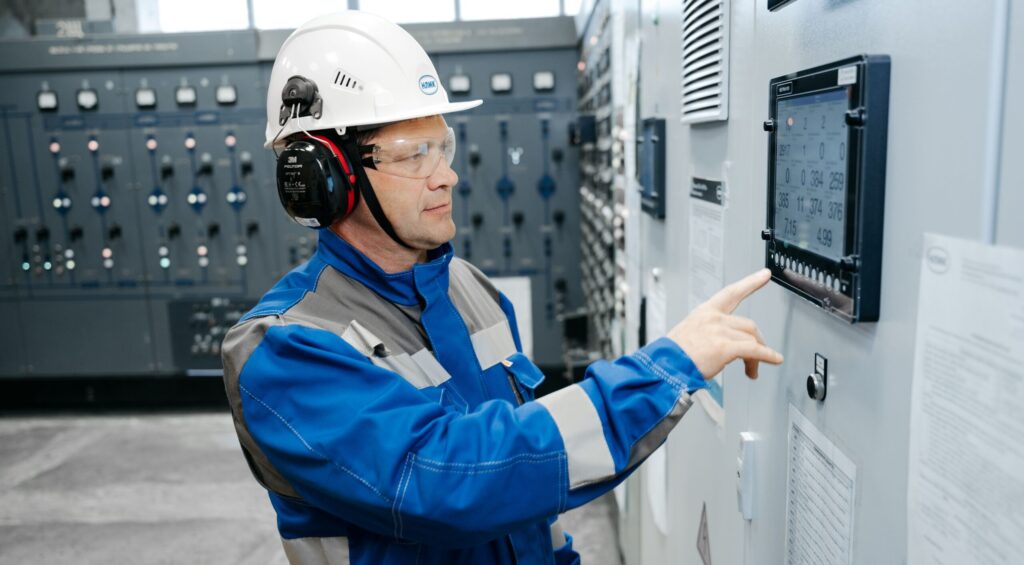


What is an industrial energy audit?
An industrial energy audit is an in-depth analysis of the energy consumption of an industrial site . It aims to identify the most energy-intensive areas and to propose concrete actions to reduce expenses, improve energy efficiency and decrease the carbon footprint .
Unlike a simple consumption statement, the audit is based on a standardized methodology (in particular according to the NF EN 16247 standard), integrating measurements , interviews and simulations to propose a quantified, realistic and prioritized action plan
Who is affected by the energy audit?
Energy-intensive businesses (regulatory obligation)
The so-called DDADUE law (Miscellaneous Provisions for Adaptation to European Union Law) published in the official journal on May 2, 2025 expands the scope of regulatory energy audits and Energy Management Systems (EMS).
Previously, the obligation to carry out an energy audit every 4 years only concerned large companies with more than 250 employees, with a turnover of more than €50M, or a balance sheet of more than €43M.
From October 1, 2025 :
- Companies whose average annual energy consumption over the last 3 years is greater than or equal to 2.75 GWh must carry out their first energy audit before October 11, 2026 (regardless of their size or workforce)
- Companies with energy consumption exceeding 23.6 GWh must install an Energy Management System (EMS) compliant with ISO 50001 before October 11, 2027
Good to know: companies that have implemented an energy management system are exempt from the obligation to carry out an energy audit.
The volunteer manufacturers
https://www.bureauveritas.fr/magazine/performance-energetique-entreprises-extension-champ-application-audit https://pro-smen.org/actualites/transposition-de-la-directive-efficacite-energetique/
An increasing number of manufacturers not subject to this requirement are choosing to conduct an energy audit in order to:
- To reduce their energy bill,
- Identify profitable investment opportunities (heat recovery, relamping, regulation, etc.),
Responding to their CSR or to calls for tenders requiring an energy policy.
What are the objectives of an industrial energy audit?
A well-conducted audit allows you to:
- Identify waste and anomalies (oversized machines, compressed air leaks, lack of automation, etc.),
- Evaluate the energy performance of industrial utilities: heating, cooling, steam, engines, etc.
- Propose levers for improvement , with an estimate of potential savings and return on investment ( ROI ) times
Prioritize actions based on gains, technical feasibility, and costs.
How is an energy audit conducted in industry?
- Scoping and definition of scope : site selection, definition of areas to be audited, collection of consumption data.
- Energy flow analysis: mapping of consumption (by workshop, equipment, use).
- visits and measurements: analysis of the actual operation of the installations, detection of energy losses.
- Identifying areas for improvement : technical, organizational or behavioral.
Presentation of the report : action plan, estimate of gains, prioritization.
What results can we expect?
Audits typically reveal 15 to 30% potential energy savings , often achievable with moderate investments.
Some examples of actions identified:
- Installation of variable speed drives on the motors,
- Reduction of heat loss (insulation, heat recovery),
- Energy optimization of air compressors,
- Transition to smart LED lighting ,
Automation of temperature and pressure regulation.
Industrial energy audit: how much does it cost?
The cost of an audit depends on the size of the site, its complexity, and the quality of the available data, but we can estimate:
Small industrial sites: between €5,000 and €10,000
More complex sites: from €15,000 to €30,000
Good news: financial assistance is available, notably through energy savings certificates (CEE) or subsidies from ADEME.
You have until December 31, 2025 to apply for funding for your voluntary energy audit in industry from ADEME ! The aid takes the form of a grant of :
- 60% for large companies (excluding mandatory audits),
- 70% for medium-sized businesses,
- 80% for small businesses.


Why choose Powesco for your industrial energy audit?
Powesco, an energy services integrator, provides industrial companies with an integrated design office capable of carrying out regulatory audits (compliant with the NF EN 16247 standard) as well as voluntary ones.
This approach allows you to benefit from:
- with expertise ,
- personalized support ,
and above all an operational, geared towards action and results.
How does an energy audit with Powesco work?
- Defining the scope and collecting your consumption data,
- visit to analyze equipment, processes and utilities.
- Measurements and modeling, according to regulatory requirements and your specific challenges,
- Presentation of the report, with a structured action plan (investments, gains, available aid),
support , with implementation monitoring and possible supervision via our platform SEME Nextep
And after the audit: Powesco supports you every step of the way
The value of an audit lies in its effective implementation. That's why Powesco goes further, by offering:
- Third -party financing : pre-financing of the energy efficiency project with a commitment to results (ESCO model)
- Selecting the right energy supplier and contract through our energy brokerage will help you reduce your operating costs.
- the implementation of solutions : energy renovation, relamping, regulation, BMS/BAS, charging stations, photovoltaic self-consumption…
Our goal: to help you transform audit recommendations into tangible results, without complexity for your teams.
In summary
An industrial energy audit is a strategic tool that is technical, economic, and environmental. It allows you to better understand your energy consumption, identify often unsuspected potential savings, and sustainably improve your competitiveness.
Do you want to carry out an energy audit on your industrial site?
Engage a specialist consulting firm like Powesco to guide you from the audit to the implementation of actions. A good partner will also help you access available financial aid and define a long-term carbon trajectory